project based learning

doctorate education gamification phd pokemon effect triforce

Project Zomboid

Project Zomboid (Video Game 2013) - IMDb

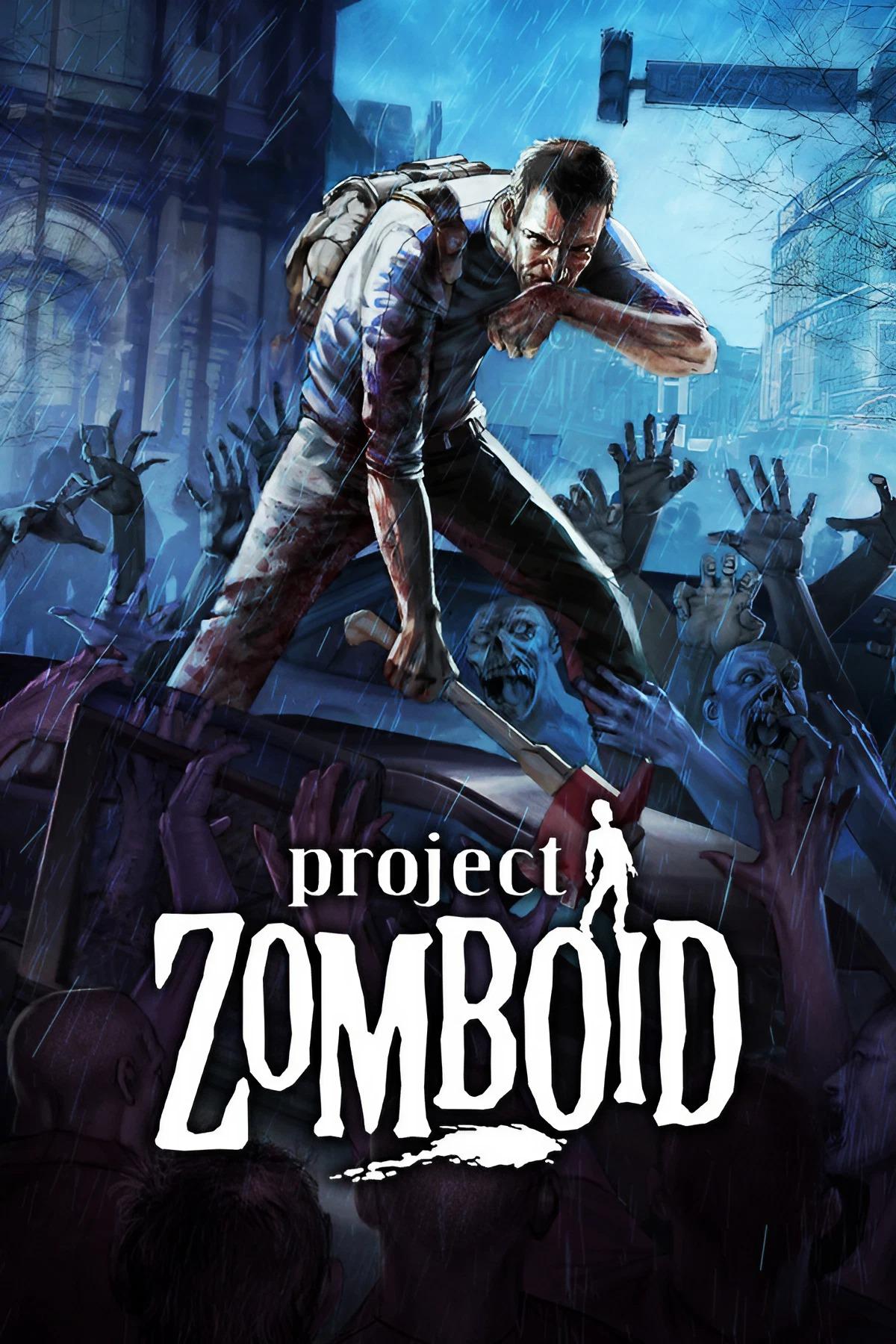
Before I start this post, I’m going to predict a regret to use such a large, vertical image. I bet it’s way too big (thus, impractical) for this page! LOL … Anyway, Project Zomboid is an alpha release game currently available through its website projectzomboid.com or on steam (http://store.steampowered.com/app/108600/). I’ve just started playing this game and, while I’m only doing beginner levels, I can see a lot of potential this game might have as a learning tool.

Wait … what? Zombie game? Learning tool?

Oh … yeah! Project Zomboid is a fun little isometric semi-open world based on Kentucky, USA. In the game you are the lone survivor (single player) in an apocalypse world overrun by the zombie hoard. Your job: survive. I’ve died … a lot! It’s awesome!

Where I see potential in this game links back to another post today about project based learning. Using a multiplayer server, it would be possible to set up situations where learners are forced to work together to survive. They would need to find shelter, amass a storage of food and weapons, fortify their safe house, explore the map and, of course, kill zombies. Even rationing out food, nails, weapons and jobs is a serious consideration. But it’s not as easy as it sounds. The game limits the player by making you scared when you see zombies (shooting accuracy lowers), fatigued when you run, injured when you carry heavy loads, hungry and tired. The player even becomes bored or depressed at night when there is little movement and nothing to do except wait until morning. While not ostensibly educational, it would be an amazing team building exercise. Players work together to survive. One player dies, they all start again!

Beyond the game, there are other opportunities to make custom maps, configure servers, make mods and participate in the community.

Game based learning requires thinking out of the box. Open world games like Kerbal Space Program and Minecraft have a more overtly educational nuance. However, that doesn’t mean first person shooters and zombie survival games can’t be educational too. The game isn’t the outcome it’s the medium. It’s just a matter of how  you use it.

doctorate education gamification ict phd pokemon effect triforce

Meshing GBL With PBL: Can It Work?

A photo of an elementary-school girl creating a model with colorful sticks.

Meshing GBL With PBL: Can It Work?.

Project based learning is a thing … and it’s a good thing. PBL brings with it a more open, enquiry based mode of instruction that has benefits in modern classrooms.

So the question is how to leverage PBL and make it mesh with Game based learning (my favourite thing!)? Firstly, game based learning is about incentive. The idea is that the game is a motivating factor that can inspire and help students want to learn. The trick, as Randy Pausch would have been proud to identify, is to make students forget they are learning. When learning is the medium it is incredibly de-motivating and stigmatised. However when gaming is the medium, then learning happens in the background.

PBL is about teaching and assessing skill building within the context of the project. As the project develops, participants show learning through the way they adapt and advance towards the project’s goals. This is observable and, importantly for the teacher, assessable. While it’s an exciting idea, PBL is not yet commonly used in classrooms.

How, then, does GBL use PBL? The answer, according to edutopia, is through using games as collaborative problem solving tools. By presenting a problem within a gaming context, participants can collaborate, use critical thinking, communicate and show creativity. They can take risks to try and solve problems, then learn through their failures. Games are perfect for this because they create an environment where risk taking is safe and possible solutions can be tried again and again. In fact, this idea of repeating a problem until a solution is found is the very nature of gaming!

The most interesting area for me is games as the product of learning. Programming and coding are fields that are developing at an exponential rate. The entire “programming” field barely existed 20 years ago. Programming now spans areas such as computer games, websites, apps, software and a myriad of other areas. The future of programming is beyond our current scope of understanding. Programming and writing simple games is an excellent use of PBL and GBL as a way to teach programming. Writing games can be collaborative and require a diversity of skill sets (graphic design, coding, story writing, design, etc). Such project based learning is easily assessed using conventional rubrics and can be observed within a classroom as easily as the typical projects that teachers are using in classrooms now.

Another method of GBL meshing with PBL is using the often-cited elements of gamification. Projects can be given levels of achievement and mini-goals that have to be completed before moving on to the next goal. Goals can be selected based on their importance and some goals can be ignored if participants feel that it doesn’t meet their final objectives. Badges and other incentives can be used to motivate participants and reward incremental achievements.

Overall, if classrooms aren’t using PBL then they should be. Project based learning helps students develop real world skills and lets them test their abilities and take risks, as well as enhances collaboration and communication skills. The beauty of PBL is that areas within a project can be delegated to members of a group with particular skill sets. Some students are good organisers, some are artists, some are builders and some are thinkers. Each student can participate by contributing their best skills. GBL offers a great medium for PBL. Games can be the motivation for projects. Students can work together to try and infect the world with a Pandemic virus. Or they can make an iOS app. Through gaming, learners are presented with a fun and motivational way to learn … while they’re busy infecting the world with a lethal virus, or while they’re trying to replicate Flappy Bird, they’re learning.

Scroll to Top